
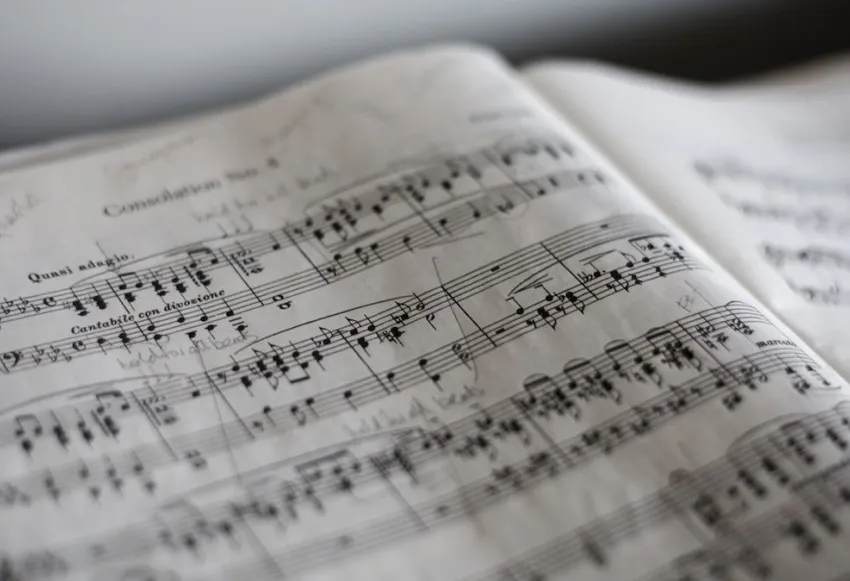
Martin Luther, the renowned theologian and initiator of the Protestant Reformation, once stated, "Next to the Word of God, music deserves the highest praise." This profound quote from Luther encapsulates the significance and influence of music in his life and its role in spiritual and emotional well-being. In this article, we delve into the depth of Martin Luther's music quote, exploring its historical context, its relevance in today's society, and the profound impact of music on human emotions and spirituality. Join us as we unravel the power and importance of this iconic quote from one of history's most influential figures.
Unveiling the Historical Significance
Martin Luther: A Catalyst for Change
Martin Luther, born in 1483 in Eisleben, Germany, is widely regarded as a pivotal figure in Western history. As a Catholic monk and later as a professor of theology, Luther challenged the dogma and authority of the Catholic Church, ultimately sparking the Protestant Reformation in the 16th century. His writings, including the famed Ninety-Five Theses, attacked the corruption and questionable practices within the Church, paving the way for religious reform and reshaping the Christian landscape.
The Role of Music in Luther's Reformation
Luther's music quote resonates deeply with his role in the Reformation. As a passionate and devout Christian, Luther believed that music possessed the power to connect individuals with the divine. During his time, the Catholic Church held a monopoly on religious music, with services conducted solely in Latin, leaving the majority of the congregation unable to comprehend the divine message. Luther, recognizing the communal and emotional impact of music, set out to transform worship through congregational singing in the vernacular.
Luther introduced hymn-singing as a means to engage and empower the congregation, allowing them to actively participate in worship rather than passively observe. He wrote numerous hymns, such as "A Mighty Fortress Is Our God," characterized by their emotionally charged lyrics that resonated with the common people. By incorporating music into worship and encouraging congregational participation, Luther sought to bridge the gap between the clergy and the laity, making the spiritual experience accessible to all.
The Relevance of Martin Luther's Music Quote Today
Music as a Universal Language
Centuries after Luther's time, his music friendship quote images remains relevant in contemporary society. Music, being a universal language, transcends cultural and linguistic barriers, touching the depths of human emotions and connecting individuals across different backgrounds. Regardless of one's faith or beliefs, music has the power to communicate and evoke emotions that words alone often cannot express. It has the ability to unite people and foster a sense of community, promoting harmony and understanding in a fragmented world.
Music's Impact on Emotional Well-being
In the modern era, music's impact on emotional well-being has been widely recognized and extensively studied. Scientific research reveals the profound effects of music on our brains and bodies. Whether it be the upbeat rhythm of a pop song or the soothing melodies of classical music, music has the ability to influence our mood, reduce stress, and enhance our overall emotional state. For some, music serves as a form of therapy, providing solace during times of distress and serving as a catalyst for healing and self-reflection.
Music's Role in Spiritual Expression
Spirituality, an integral part of human existence, finds expression through various mediums, with music being one of the most powerful and evocative forms. Martin Luther understood the profound connection between music and spirituality, recognizing music as a conduit for experiencing the divine. Regardless of religious affiliation, music has a unique ability to transport individuals beyond the physical realm, enabling them to connect with something greater than themselves. Through melodies, harmonies, and lyrics, music serves as a channel for spiritual expression, guiding individuals on their personal journeys of faith and self-discovery.
The Profound Impact of Music on Human Emotions
The Emotional Language of Music
Music possesses an innate ability to evoke and communicate a range of emotions. It transcends language and words, speaking directly to our hearts and souls. From the joyous crescendos of a symphony to the mournful melodies of a requiem, music has the power to stir our deepest emotions and elicit profound responses. Whether it be happiness, sadness, anger, or love, music allows us to experience and express complex emotions that words alone often fail to capture.
Music's Therapeutic Abilities
The therapeutic effects of music have been recognized for centuries, dating back to ancient civilizations. Today, music therapy is an established discipline that utilizes music as a therapeutic tool to address physical, emotional, cognitive, and social needs. It has been proven effective in various healthcare settings, aiding in pain management, reducing anxiety and depression, improving communication, and enhancing overall well-being. From hospital settings to rehabilitation centers, music therapy harnesses the power of music to heal and transform lives.
The Evocative Power of Lyrics
Lyrics, the poetic expression woven into music, hold a unique power to touch our souls and resonate with our personal experiences. Through their carefully crafted words, songwriters convey stories, emotions, and aspirations, creating a profound connection between the artist and the listener. Lyrics have the ability to mirror our own experiences, providing solace, inspiration, and a sense of belonging. Whether it be a protest anthem that fuels social change or a love ballad that captures the essence of romance, lyrics have the power to trigger a vast array of emotions and shape our perception of the world.
The Role of Music in Worship and Community
Music as a Spiritual Pathway
In religious settings, music has long been an integral part of worship, serving as a means of connecting with the divine. It elevates the spiritual experience, creating a sacred space where individuals can express their devotion and reverence. Whether through hymns, chants, or psalms, music plays a central role in religious rituals, fostering a sense of unity among believers and enabling them to enter into a deeper communion with the transcendent. It serves as a bridge between the earthly and the spiritual, guiding worshippers on their spiritual journey.
Music's Power to Unite and Inspire
Music has the unique ability to bring people together, transcending differences and fostering a sense of community. Choirs, bands, and orchestras epitomize the collaborative nature of musical expression, where individuals come together to create something greater than themselves. In religious and secular contexts alike, music serves as a unifying force, instilling a sense of belonging and inspiring individuals to work towards a common goal. It has the power to ignite passion, mobilize movements, and create lasting change.
The Transformative Journey of Congregational Singing
Luther's revolutionary approach to worship, particularly through congregational singing, continues to shape religious practices to this day. By encouraging active participation, congregational singing empowers individuals to become co-creators in the worship experience. It enables the congregation to actively engage with the divine message, deepening their spiritual connection and fostering a sense of ownership and responsibility within the faith community. Congregational singing has the power to transform the atmosphere of worship, infusing it with energy, enthusiasm, and a shared sense of purpose.
Conclusion
Martin Luther's profound music quote, "Next to the Word of God, music deserves the highest praise," encapsulates the transformative power of music in human lives. From Luther's revolutionary approach to congregational singing to the emotional and therapeutic impact of music in contemporary society, there is no denying the profound influence music possesses. As we navigate the complexities of life, music serves as a source of solace, inspiration, and connection. It unites us, speaks to our emotions, and provides a pathway for spiritual expression. Let us embrace the power of music and allow it to resonate within us, for it truly deserves the highest praise.